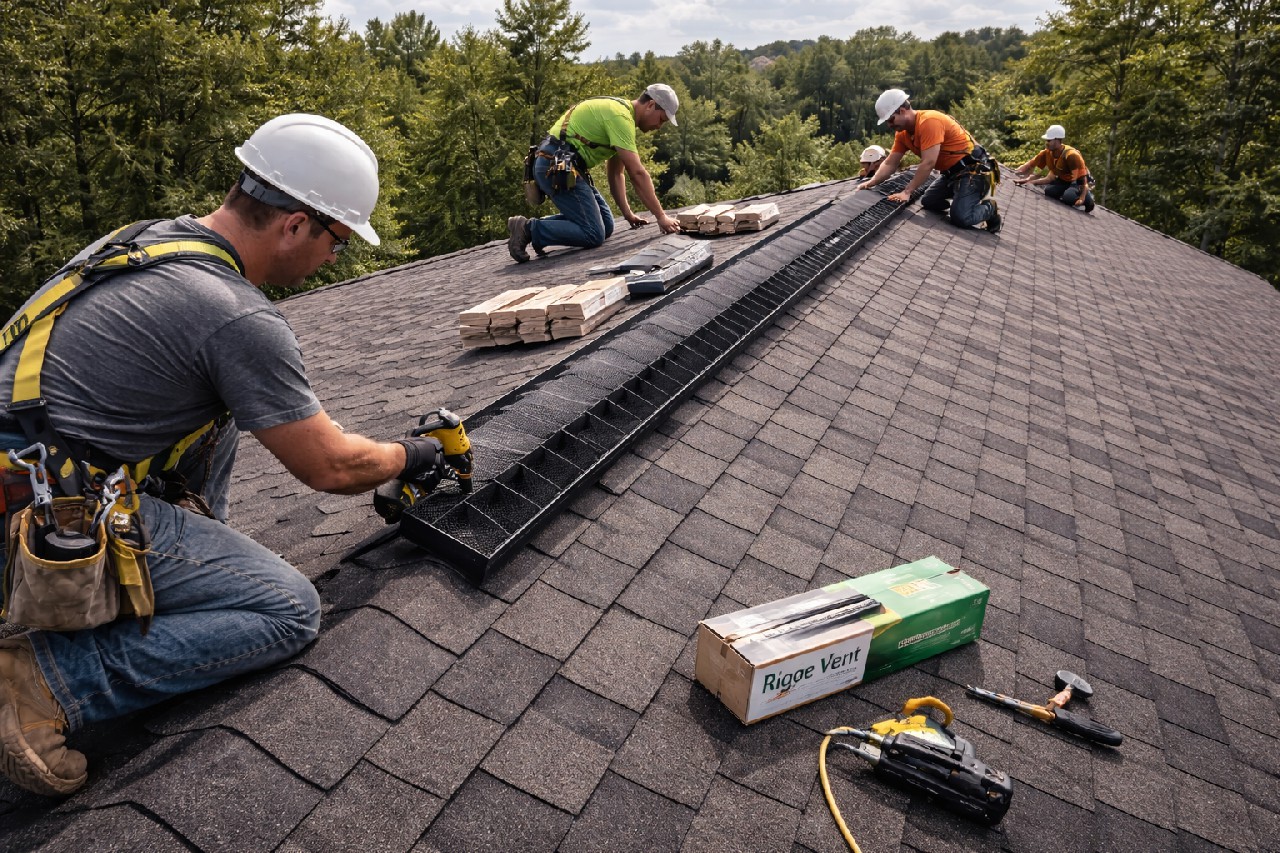


⚡ TL;DR: Learn how roof ventilation installation in Austin, TX, combats attic heat for cooler homes and energy savings, with tips on types, signs, and professional steps.
📋 What You’ll Learn
In this guide to roof ventilation installation in Austin, TX, you’ll discover how to beat attic heat, select ideal systems, spot issues early, and achieve cooler homes with energy savings.
- Uncover why attic heat devastates Austin homes by trapping scorching Texas air, driving up AC bills, shortening roof life, and creating uncomfortable living spaces year-round.
- Explore top roof ventilation types for Texas including ridge vents, soffit intakes, turbine models, and powered fans tailored to handle Austin’s intense summer humidity and heat.
- Unlock benefits like cooler attics and savings with reduced energy costs, extended roofing materials, improved indoor air quality, and enhanced overall home comfort during peak seasons.
- Identify signs your roof needs ventilation now such as high attic temps, peeling shingles, moisture stains, excessive energy use, and uneven home cooling from poor airflow.
- Master the professional installation process from assessment and prep to vent placement, sealing, and testing for optimal airflow and long-term performance in Austin climates.
📖 Reading time: 7 min
✍️ Author expertise: Austin roofing pro with 20+ years installing ventilation systems from real Texas fieldwork.
Ever walk into your Austin home after battling 100-degree heat, only to feel like you never left the oven outside?
Blame your attic—it's a sweltering pressure cooker, shoving hot air right through your ceilings and forcing your AC into overdrive.
Roof ventilation flips the script, sucking out that trapped heat and slashing your energy bills. Discover how professional installation makes your home a cool oasis this summer.
Why Attic Heat Traps Are Wrecking Austin Homes
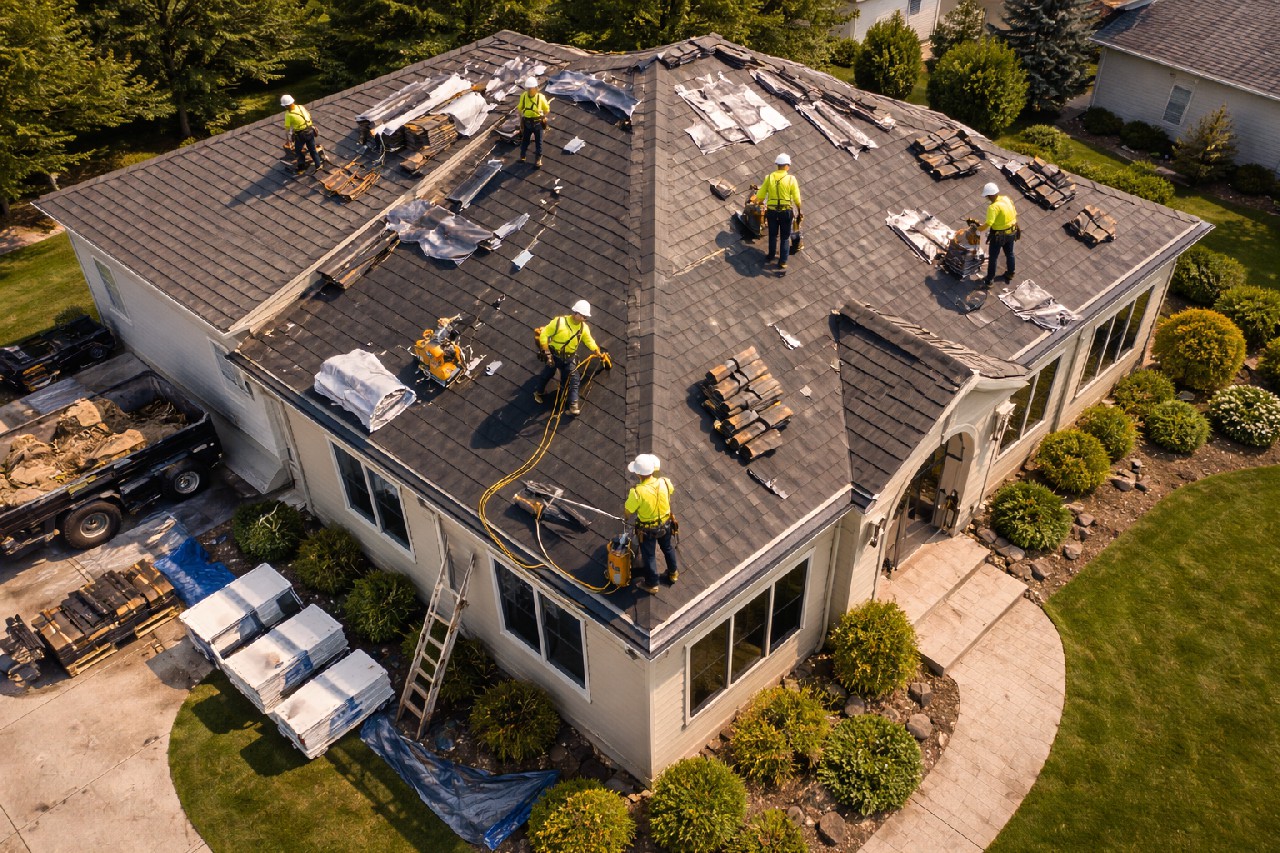
Austin summers hit like a freight train. Your roof absorbs brutal sunlight all day, turning the attic into a 150-degree furnace. That scorching air has nowhere to go without proper ventilation.
Hot air pushes through ceilings into living spaces. Your AC fights a losing battle, cycling non-stop. Result? Skyrocketing energy bills and a home that feels muggy even with the thermostat cranked down.
It's worse than discomfort. Trapped heat warps roof materials, breeds mold, and shortens shingle life. Here's what unchecked attic heat does:
- Pushes AC costs up 20-30% in peak summer months.
- Damages insulation, letting hot air sneak through cracks.
- Creates ice dams in rare winter chills, leading to leaks.
Texas heat doesn't play fair. Poor ventilation turns your attic into enemy territory against home comfort.
Essential Types of Roof Ventilation for Texas Summers
Austin's brutal summers demand roof vents that pull hot air out fast. Passive systems work with natural airflow. Active ones use fans or solar power for extra punch.
Passive Vents: No Power, All Performance
These rely on wind and heat rise. Perfect for steady, low-maintenance cooling in Texas heat.
- Ridge vents: Run along your roof peak, exhausting heat nonstop. Pair them with soffit vents below for killer cross-flow.
- Soffit vents: Pull cool air in from eaves. Essential intake for any setup.
- Gable vents: Sidewall louvers for older homes. Great if ridge venting won't cut it.
Active Vents: Turbo Charge Your Attic
Powered options kick in when passive falls short. They fight stagnant air during those dead-calm scorchers.
- Turbine vents: Spin with wind, like mini windmills sucking heat skyward.
- Power vents: Electric fans blast air out. Run them remotely for peak-hour relief.
- Solar vents: Free energy from the sun powers quiet fans. Zero bills, endless runtime in Austin sunshine.
Match the type to your roof pitch and attic size. Pros calculate CFM needs to nail it right.
Proven Benefits: Cooler Homes and Lower Energy Bills
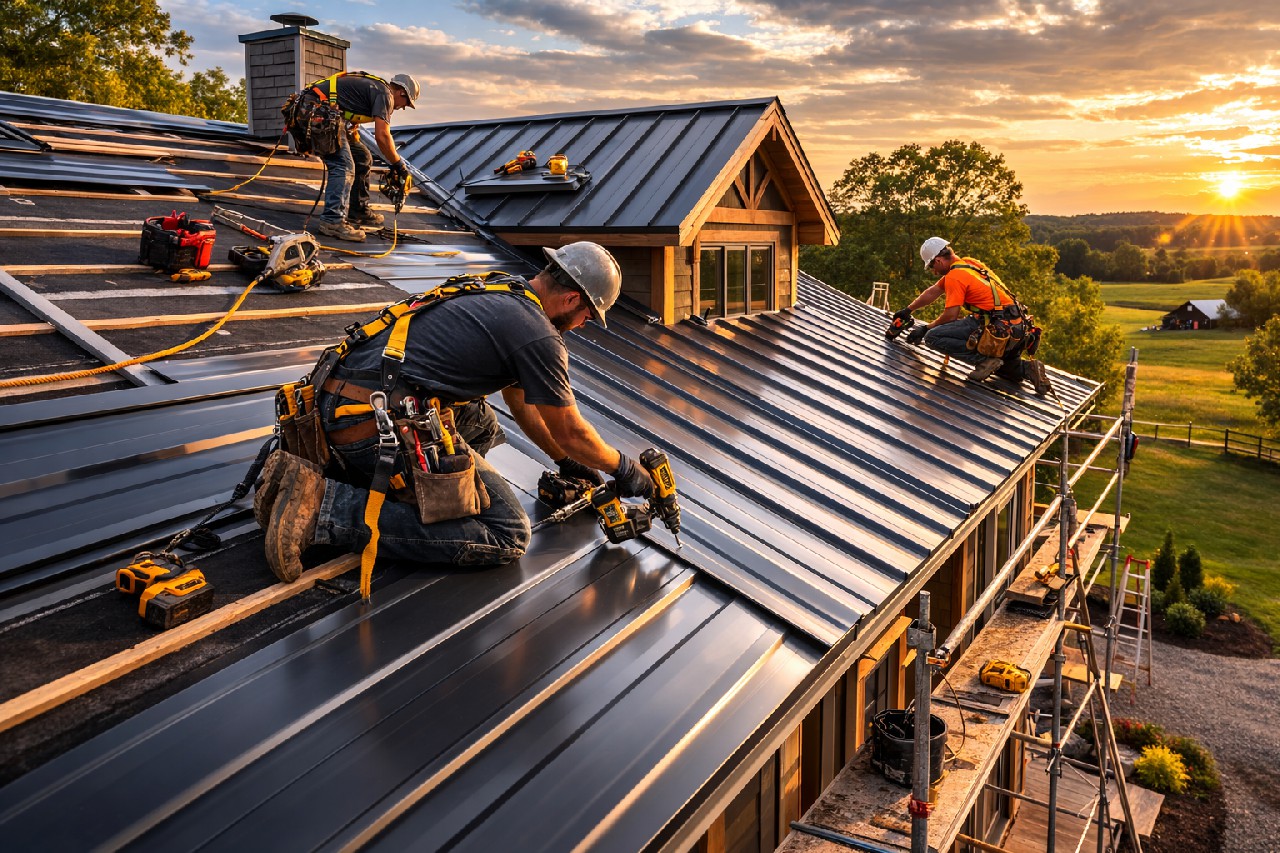
Your attic hits 150 degrees on a typical Austin scorcher. Without proper ventilation, that heat seeps downstairs. Roof vents pull it out fast, dropping attic temps by up to 50 degrees.
Key Wins for Austin Homeowners
- Cooler living spaces: Less heat sneaking through ceilings means your AC chills the house quicker.
- Energy savings: Cut bills 10-30% by easing AC strain. One client shaved $200 off summer statements.
- Roof protection: Heat shortens shingle life; ventilation adds years and dodges premature replacements.
Think about it. Your AC runs less, so compressors last longer. No more spiking utility bills when the mercury climbs.
Bonus: Better airflow curbs moisture buildup. Say goodbye to mold risks in humid Texas nights.
Spotting the Signs: Does Your Roof Need Ventilation?
Your Austin home sends clear signals when attic heat builds up. Ignore them, and you're stuck with skyrocketing bills and a roof that wears out fast. Spot these red flags before summer crushes your comfort.
Key Indicators of Poor Ventilation
- Energy bills spiking like crazy. Your AC fights a losing battle against trapped heat, running non-stop.
- Upper rooms feel like saunas. Heat radiates down from the attic, making bedrooms and attics unbearable.
- Shingles curling or cracking early. Extreme heat bakes them brittle, shortening your roof's life by years.
- Moist spots or stains on ceilings. Poor airflow traps humidity, breeding mold even in dry Texas air.
- Strange attic odors or pests. Stagnant air invites critters and that musty smell no one wants.
Grab a ladder and peek into your attic on a hot day. If it's hotter than outside by 20 degrees or more, ventilation's your fix. Call pros before damage piles up.
Step-by-Step Professional Installation Guide
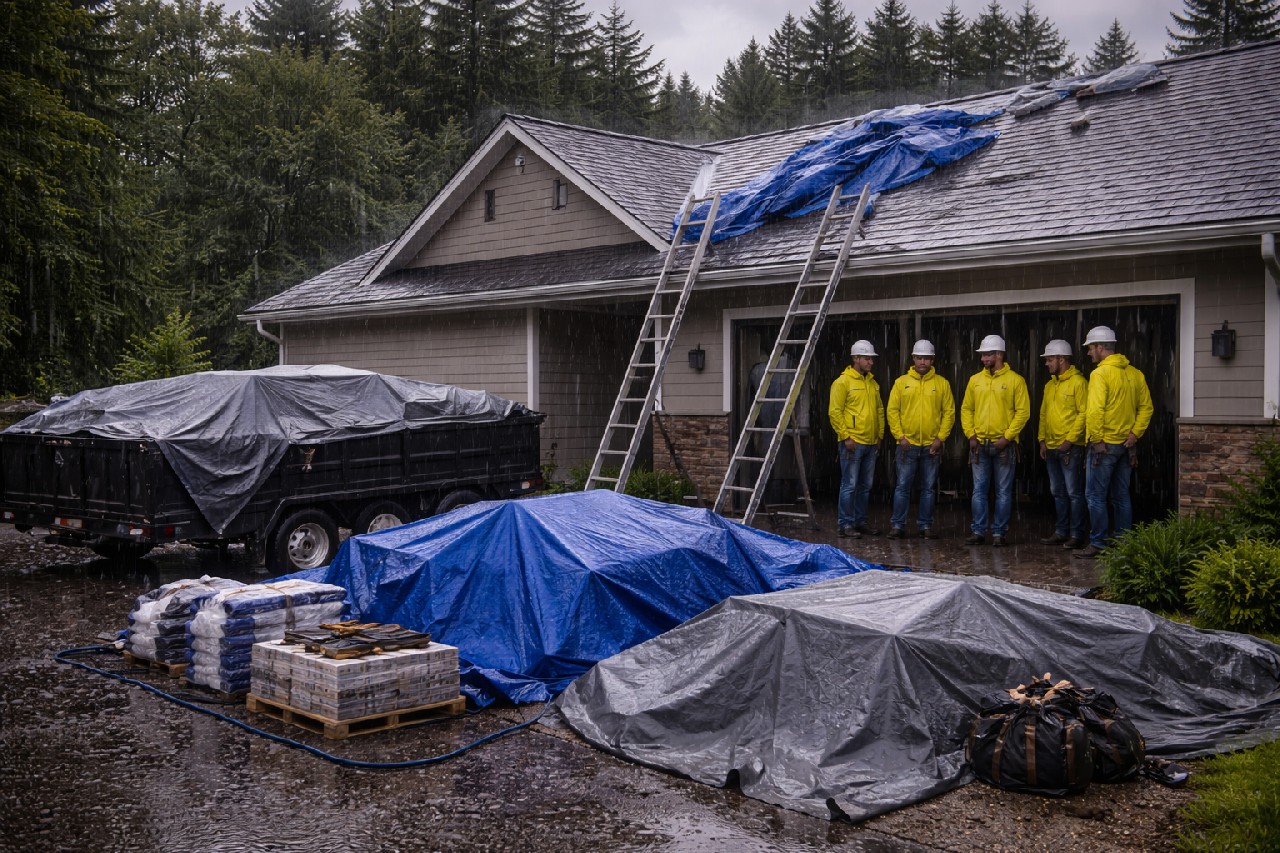
Your Austin roof demands precision work from certified pros. DIY attempts often lead to leaks or poor airflow. Here's how we handle it right.
1. Thorough Roof Inspection
We start with a full attic and roof check. Spot existing vents, insulation gaps, and heat damage. This ensures the right vent balance for your home.
- Measure attic square footage for proper CFM rating.
- Identify intake spots like soffits.
- Check for blockages or code issues.
2. Custom Vent Selection and Prep
Pick ridge vents, turbines, or power fans based on your roof pitch. We cut precise openings without harming shingles. Seal edges with top-grade materials.
- Install soffit vents for cool air intake first.
- Add exhaust vents at the peak.
- Balance 50/50 intake to exhaust ratio.
Final test runs hot air out fast. Your AC hums less, bills drop. Call our crew today for a free quote.
Case Study: Reviving Comfort in a Scorching Austin Bungalow
Meet Sarah, a longtime East Austin resident in a charming 1950s bungalow. Her attic hit 140 degrees on peak summer days, turning upstairs bedrooms into saunas. She cranked the AC non-stop, watching bills climb to $450 monthly.
Before: A Heat Nightmare
- Indoor temps lingered at 82 degrees, even with AC blasting.
- Humidity spiked, spawning mold spots in the attic.
- Sarah dreaded evenings, sleeping on the couch downstairs.
Our team inspected and found zero ridge vents, just clogged soffit intakes. The fix? A full overhaul with turbine vents and ridge venting tailored for Texas heat.
After: Cool Relief Hits Home
Post-install, attic temps plunged 40 degrees on the hottest days. Sarah's AC runtime dropped 30%, slashing bills to $280. She finally enjoys her upstairs again, no more swampy air.
Bonus: The bungalow's shingles lasted longer without that brutal heat bake. Sarah called it her best home upgrade ever.
Final Thoughts
Your Austin home deserves to beat the heat without breaking the bank. Roof ventilation isn't just a fix—it's your ticket to cooler nights and happier wallets. Skip the DIY headaches and call in pros who know Texas roofs inside out.
Imagine flipping on that AC and actually feeling relief, not just a weak breeze. We've seen it transform homes just like yours. Ready for roof ventilation installation? Drop us a line today—your cool oasis awaits.
- Lower bills that stick around all summer.
- Longer-lasting roof and AC gear.
- Peace of mind in the brutal Austin sun.
Don't sweat another scorching day. Act now, breathe easy later.
People Also Ask
How does roof ventilation improve home comfort in Austin?
Roof ventilation allows hot air to escape from the attic, preventing heat buildup that makes living spaces uncomfortable during Austin's intense summers. This creates cooler indoor temperatures, reduces humidity, and improves air quality for a more comfortable home. Professional installation ensures optimal airflow tailored to Texas weather.
What are the best types of roof vents for Austin homes?
Ridge vents and soffit vents work together to provide continuous airflow, ideal for Austin's hot, humid climate. Box vents or turbine vents offer strong exhaust in high-heat areas, while solar-powered options add energy efficiency. Consult a local roofing expert to match the type to your roof's design and pitch.
Can roof ventilation lower energy bills in Texas?
Yes, proper roof ventilation reduces attic temperatures by up to 30 degrees, easing the load on your AC and cutting energy use by 10-20%. In Austin's scorching summers, this translates to noticeable savings on cooling costs. Long-term, it protects your roof from premature wear, avoiding costly repairs.
What are signs your Austin roof needs better ventilation?
Look for higher-than-normal energy bills, attic temperatures exceeding 130°F, or visible moisture and mold growth. Warped roofing materials, premature shingle deterioration, or uneven interior temperatures are common red flags in Texas heat. A professional inspection can confirm and recommend solutions.
How much does roof ventilation installation cost in Austin?
Costs typically range from $1,000 to $3,500 depending on roof size, vent type, and complexity, with most Austin homes falling around $2,000. Factors like adding ridge vents or baffles can influence the price, but it often pays for itself through energy savings. Get a free quote from a certified local roofer for accurate pricing.

Austin Roofing provides expert roofing services throughout Austin, TX. With extensive experience in installations, repairs, and maintenance, their team handles residential and commercial projects with precision. Rooted in the local community, they tailor solutions to Central Texas weather challenges.
Need Roofing?
Fast roof repairs and replacements delivering leak-proof, durable protection for homes in Austin, TX and nearby areas (78701, 78704, 78745, 78746, 78759).
Get Roof Quote