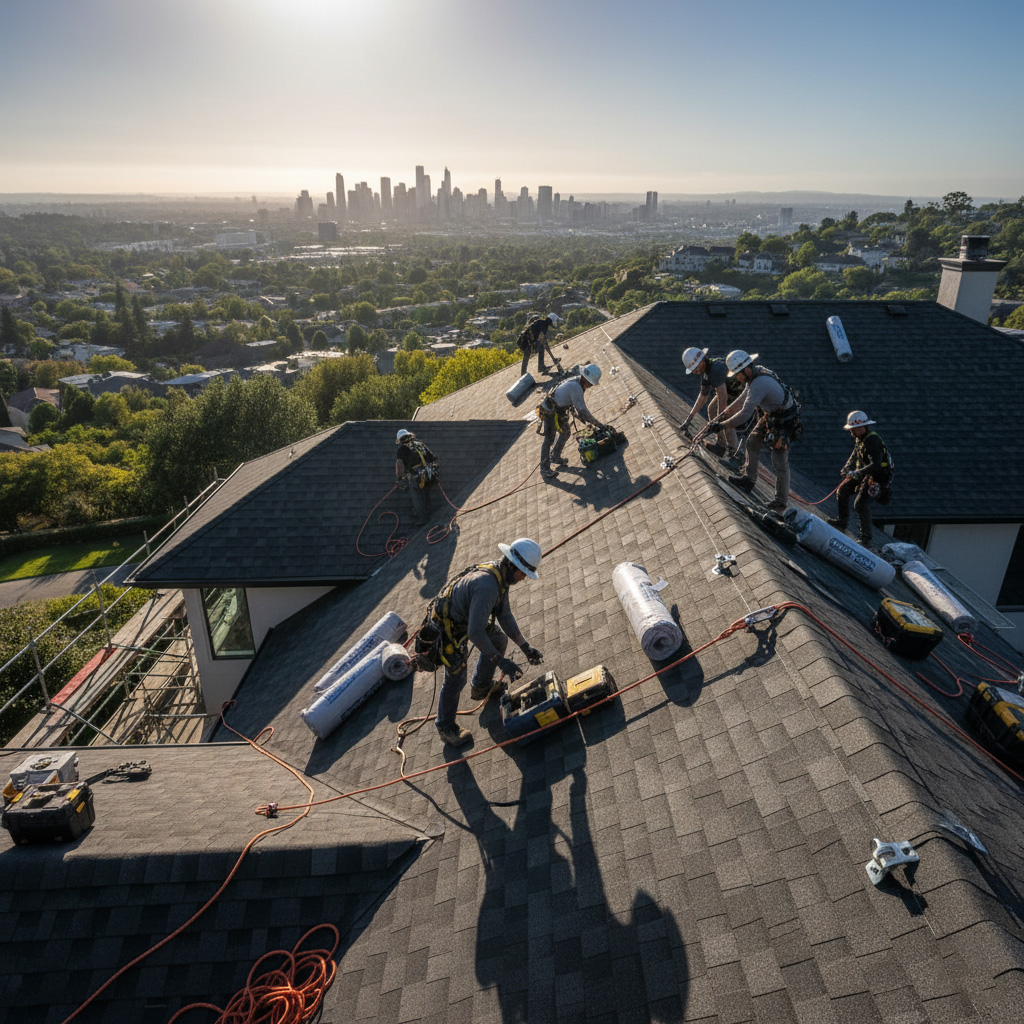


⚡ TL;DR: Discover visible and hidden signs of roof deck failure in Austin, exacerbated by extreme weather, and learn the professional replacement process to ensure safety and durability.
📋 What You’ll Learn
In this guide to roof deck replacement in Austin, TX, you’ll uncover critical failure signs, weather-driven decay, inspection limits, and proven steps to restore your home’s safety and value.
- Spot top visible signs of failure like sagging boards, cracked shingles, soft spots, and gaps that demand immediate roof deck attention in Austin properties.
- Detect hidden interior rot clues including musty smells, ceiling stains, warped floors, and mold revealing unseen damage threatening your home’s structure.
- Grasp Austin weather’s decay role from brutal heat, torrential rains, and humidity cycles rapidly weakening decks compared to other regions.
- Know DIY limits and pro timing plus replacement process details, backed by a South Austin bungalow revival case study for real results.
📖 Reading time: 7 min
✍️ Author expertise: Austin roofing contractor with 20 years of field experience replacing failed roof decks in local homes.
That gut-punch moment hits when you spot dark water stains spiderwebbing across your bedroom ceiling after a Texas thunderstorm. You thought your roof was solid, but those sneaky leaks from a rotting deck above are turning your sanctuary into a drip zone.
Austin's brutal hail, scorching sun, and humidity don't play nice with wood decks—they warp, rot, and fail fast if neglected.
Miss these clues now, and you're staring down a full roof deck replacement that skyrockets your bills. Let's dive into the red flags you can't ignore.
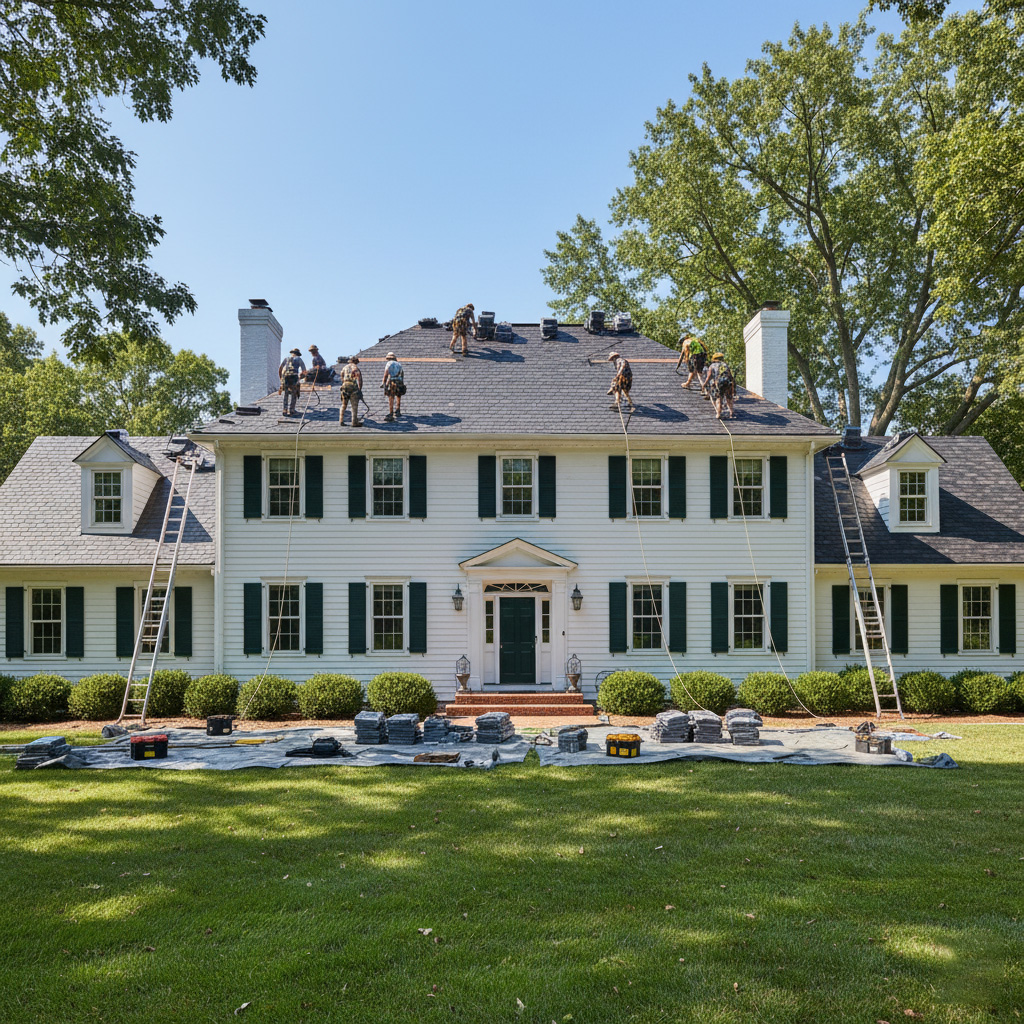
Top 8 Visible Signs Your Roof Deck is Failing
Spot these from the ground or ladder. They scream trouble before leaks hit your wallet. Ignore them, and small fixes balloon into total replacement.
Climb up safely during dry weather. Poke around edges and vents. Here's what to hunt for:
- Sagging roof sections: That dip means the deck can't hold weight anymore. Wood's gone soft underneath.
- Buckled or curled shingles: Deck rot pushes them up like popcorn. No deck strength, no shingle grip.
- Nail pops everywhere: Nails shooting out signal swelling, rotting plywood. Shingles lift and fly off in wind.
- Granule buildup in gutters: Shingles shed early from unstable deck. Check after rain - piles mean decay.
- Cracked shingles in clusters: Deck movement cracks the top layer. Isolated cracks? Normal. Clusters? Deck death.
- Discolored or bald patches: Sun hits uneven deck spots harder. Faded areas point to warping boards below.
- Soft spots underfoot: Press the surface. Give? Rotten deck. Stay off - it could cave.
- Exposed or frayed deck edges: Peel back loose flashing. Rotten wood flakes away. Eaves rot first here.
Found three or more? Your deck's toast. Austin winds rip these failures wide open fast.
Hidden Dangers: Interior Clues of Roof Deck Rot
Exterior checks miss the real trouble brewing inside your home. Rot in the roof deck often shows up first as subtle interior warnings that scream for attention. Ignore them, and water damage spreads like wildfire.
Spot These Telltale Interior Signs Fast
- Dark stains on ceilings or walls, especially after rain – that's water infiltrating from above.
- Bubbling or peeling paint around light fixtures, a dead giveaway for trapped moisture.
- Musty odors or visible mold patches in attics, signaling advanced deck decay.
- Sagging or soft ceiling spots when you push up – pure rot confirmation.
- Warped hardwood floors below, as leaks migrate downward unchecked.
These clues mean your roof deck is compromised, risking structural failure and skyrocketing repair costs. Austin humidity traps moisture, speeding up the rot process inside walls you can't see. Act now before a small leak becomes a total collapse.
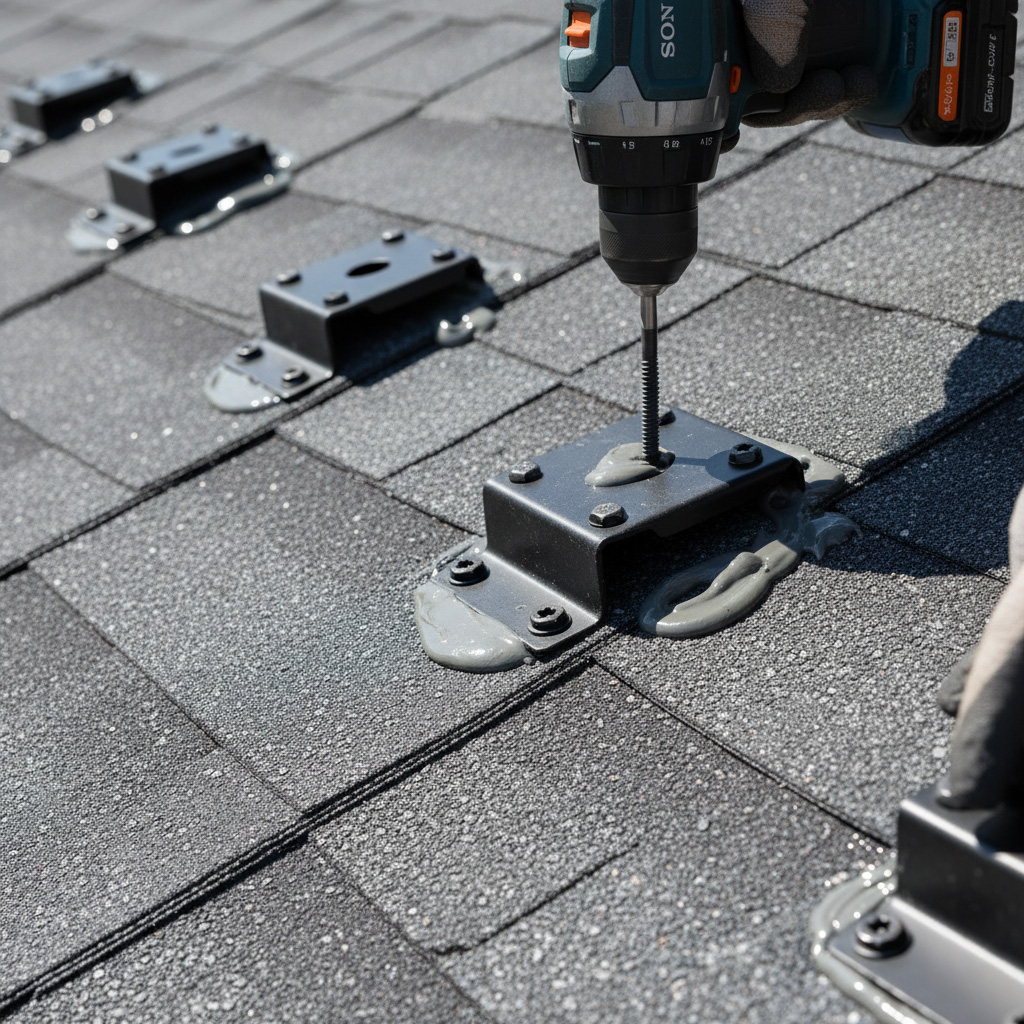
How Austin's Extreme Weather Accelerates Deck Decay
Austin's summers hit 100+ degrees like clockwork. Wood decks bake, expand, then contract with every cold front. This constant stress splinters boards and loosens fasteners over time.
Hail and Sudden Storms Pound Without Mercy
Those golf-ball-sized hailstones in spring? They dent and crack plywood decks on impact. Water sneaks into fissures during flash floods.
- Hail scars expose wood to moisture.
- Heavy rains saturate untreated areas.
- Freeze-thaw cycles from winter dips widen cracks.
Humidity hovers at 80% year-round here. It traps moisture under shingles, feeding rot fungi that chew through decking in months.
Local roofs face 50+ inches of rain annually, plus relentless UV rays. Shingles curl, letting sun scorch the deck below. Skip checks after big storms, and decay races ahead unchecked.
When to Call Pros: DIY Inspection Limits Exposed
You grab a ladder, poke around the edges, and think you're good. But DIY checks miss the real killers lurking inside your roof deck. Most folks spot surface rot, yet the heart of the problem stays hidden.
DIY Blind Spots That Bite Back
Climbing up there feels empowering, right? Problem is, you can't see everything without ripping things open.
- Truss damage: Pros use thermal imaging to find rot in wooden supports you never touch.
- Moisture traps: Attic vents hide water pockets; your flashlight won't cut it.
- Structural weakness: Tapping rafters tells you zip about load-bearing failure waiting to drop.
- Mold invasion: Invisible spores spread fast in Austin's muggy air, demanding air quality tests.
Push past these limits solo, and you risk a collapse during the next hailstorm. One wrong guess means emergency repairs twice as pricey.
Call in roof deck experts when stains appear indoors or shingles lift oddly. They bring tools, experience, and zero guesswork to save your home and wallet.
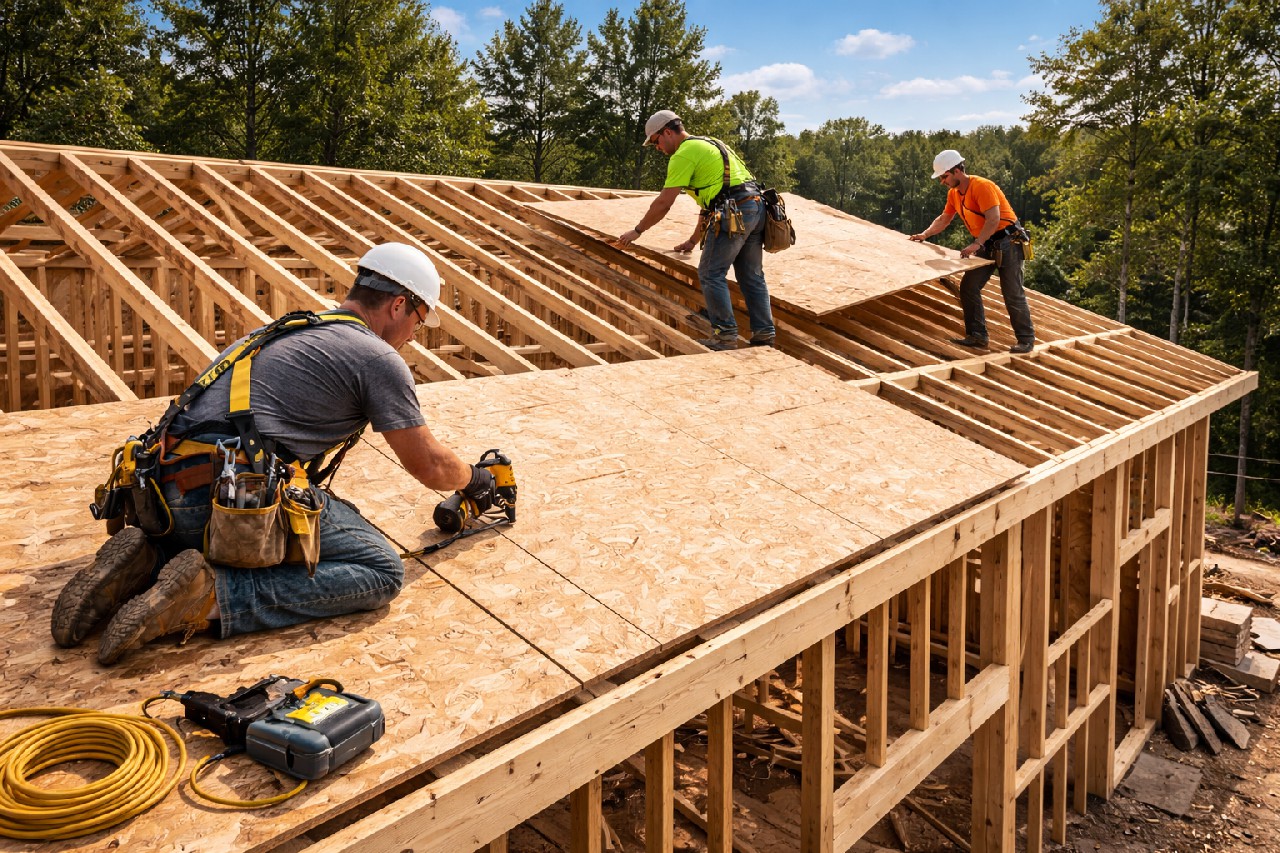
Case Study: Reviving a South Austin Bungalow's Compromised Roof Deck
Picture this: Maria, a South Austin homeowner in her charming 1950s bungalow, noticed buckling shingles after a brutal hailstorm. Water stains bloomed on her living room ceiling. She called us for a quick look, fearing the worst.
The Shocking Inspection Findings
Our crew climbed up and peeled back the damage. Rot had eaten through over 60% of the plywood decking. Plywood was soft as sponge in spots, with mold creeping under the shingles from years of trapped humidity.
- Deck nails popping out like loose teeth.
- Warped boards sagging under shingle weight.
- Hidden gaps letting hail-driven rain pool and fester.
From Ruin to Rock-Solid in One Week
We stripped the old deck, tossed the rotted mess, and installed new pressure-treated plywood rated for Austin's wild swings. Fresh underlayment and energy-efficient shingles sealed the deal. Maria's bill? Half what a full roof tear-off would've cost.
Today, her bungalow shrugs off thunderstorms. No more drip worries. She sleeps sound, insurance premiums steady, and her home value jumped.
The Step-by-Step Roof Deck Replacement Process
Step 1: Full Tear-Off and Inspection
Start by ripping off the shingles, underlayment, and rotten deck boards. Crews use pry bars and air nailers to clear it fast, down to the rafters.
Then inspect every joist and truss for damage. Spot any soft spots? Reinforce or sister them with new lumber right there.
Step 2: New Deck Installation
Lay down fresh 5/8-inch plywood or OSB sheets, nailed every six inches along edges. Stagger seams like brickwork to kill weak points.
- Secure with ring-shank nails or screws for hurricane-grade hold.
- Apply ice-and-water shield over seams and eaves.
- Flash all penetrations: vents, chimneys, pipes.
Step 3: Re-Roof and Seal
Roll out synthetic underlayment across the whole deck. Nail it tight, no bubbles.
Finish with your choice of shingles or metal. Seal edges with roofing cement. Boom - your roof's battle-ready for Austin's next hailstorm.
Final Thoughts
Your roof deck isn't just holding up shingles. It's the backbone keeping your Austin home dry through hail storms and heat waves.
Spot one of those eight visible signs or interior red flags? Don't wait for the next downpour to force your hand. A quick pro inspection beats thousands in water damage repairs every time.
Next Move: Secure Your Roof Today
- Grab your phone. Schedule that free inspection now.
- Skip the DIY risks. Let experts handle the heavy lifting.
- Check our Roof Deck Replacement page for real Austin homeowner stories.
Acting fast turns a potential disaster into a rock-solid upgrade. Your home deserves it. Make the call.
People Also Ask
What are the most common signs of a failing roof deck in Austin homes?
Visible signs include sagging shingles, curling or missing tiles, and soft spots underfoot when walking your attic. Interior clues like stained ceilings or musty odors signal hidden rot. Austin's humidity and storms accelerate these issues, so early detection prevents costly water damage.
How does Austin's weather contribute to roof deck deterioration?
Extreme heat, heavy rains, and hail from Austin's variable climate cause wood to expand, contract, and rot faster. High humidity fosters mold and decay beneath shingles. Regular inspections are crucial to combat these local weather impacts before structural failure occurs.
Can I inspect my roof deck myself for replacement needs?
DIY checks can spot obvious exterior issues like granule loss or cracks, but attics reveal hidden rot best with professional tools. Attempting full inspections risks injury and misses subtle dangers. Trust Austin roofing experts for safe, thorough evaluations.
What is the average cost of roof deck replacement in Austin, TX?
Costs range from $5,000 to $15,000 depending on home size, deck material, and damage extent. Factors like premium plywood or ventilation upgrades add value and longevity. Get a free quote from local pros to match your bungalow or ranch-style roof needs.
How long does a roof deck replacement take in Austin?
Most replacements complete in 1-3 days for standard homes, weather permitting. The process involves removal, inspection, new decking installation, and underlayment. Austin companies prioritize quick, quality work to minimize disruption during peak storm season.

Austin Roofing delivers expert roofing services with decades of experience serving the Austin area. The team specializes in repairs, installations, and maintenance suited to Central Texas weather challenges. Committed to the local community, they provide reliable solutions for homes and businesses throughout Austin, TX.
Need Roofing?
Fast roof repairs and replacements delivering leak-proof, durable protection for homes in Austin, TX and nearby areas (78701, 78704, 78745, 78746, 78759).
Get Roof Quote